

Danielle Hindley
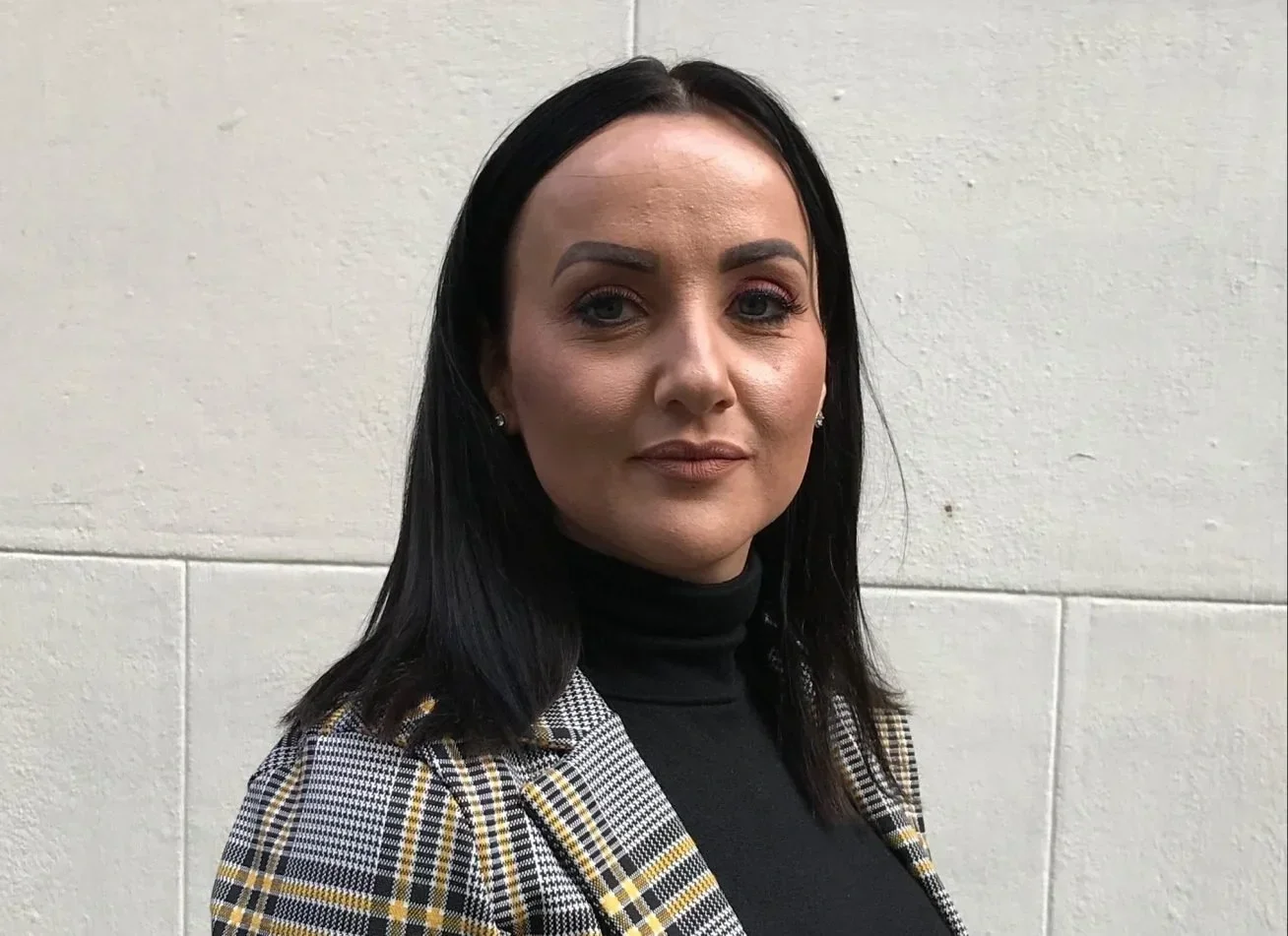
Danielle Hindley’s story is one we hear far too often — an ordinary person’s life turned upside down by a newspaper that got it horribly wrong. Danielle is a hardworking mother and beautician from a small village near Leeds. She built her business from scratch, cared for her son alone, and had a loyal, happy client base. Then, one day, her world was shattered by a story in the Mail on Sunday. They ran an article about “rogue beauticians” and used Danielle as a cautionary example, showing her picture and suggesting she was unsafe and reckless. Nothing in that story was true. Danielle is fully qualified, follows the rules, and hundreds of clients trusted her work. But the paper didn’t check its facts, and the damage was immediate.
Clients cancelled appointments, her business faltered, and her reputation in her own community was crushed. The stress and humiliation took a terrible toll on her mental health. Danielle has said she reached a point where her son “almost had no mother,” and she even attempted to take her own life. What the press did was not a simple mistake — it was a lie with real consequences, and the system that is meant to protect people like Danielle failed her.
She first went to the press regulator, IPSO, who eventually agreed that the article was inaccurate, but the “correction” was buried, offering no real remedy. With few options left, Danielle fought back in court. After two long years, the Mail on Sunday finally admitted the story was false and paid damages, apologising in open court. Danielle’s fight for justice was hard and exhausting, but it proved that even with the odds stacked against them ordinary people can hold powerful media to account.
Danielle’s experience is a stark reminder of why we do what we do at the Press Justice Project. Careless journalism can destroy livelihoods, reputations, and lives. Weak regulation leaves ordinary people vulnerable to harm. We fight to make sure that the press is held accountable, that the truth matters, and that no one has to face this kind of injustice alone. Danielle’s story is both a warning and a call to action: a fair press is essential, and everyone deserves the protection of justice when it fails.